5 Ways Tri-Cities Hard Water Destroys Commercial Plumbing Equipment
Mineral scaling operates quietly out of sight until expensive equipment suddenly stops working. The heavy mineral content in Tri-Cities municipal water actively destroys industrial boilers, valves, and supply lines every single day. Facility managers often attribute these failures to normal wear and tear rather than pointing the blame at untreated water.
Installing an industrial softening system stops this progressive damage entirely. When property managers bring in Atomic Plumbing and Mechanical to assess their infrastructure, they quickly see how treated water extends equipment lifespans. Taking control of your building's water chemistry is the smartest way to reduce recurring maintenance bills.
What We Cover:
- Tip #1: Inspect for Boiler and Heater Inefficiency
- Tip #2: Monitor for Accelerated Pipe Corrosion
- Tip #3: Track Frequent Fixture Replacements
- Tip #4: Calculate Increased Soap and Chemical Costs
- Frequently Asked Questions
Tip #1: Inspect for Boiler and Heater Inefficiency
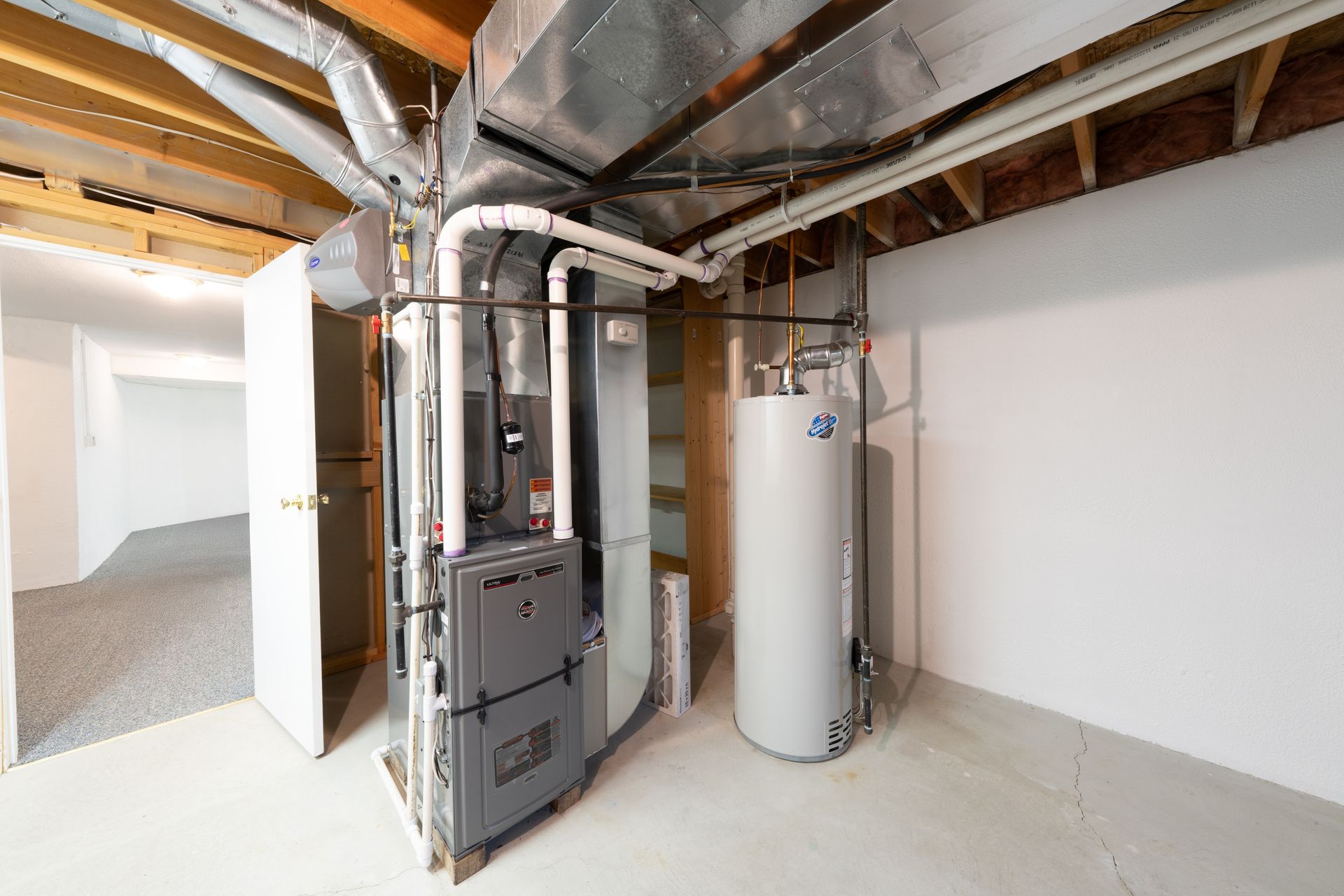
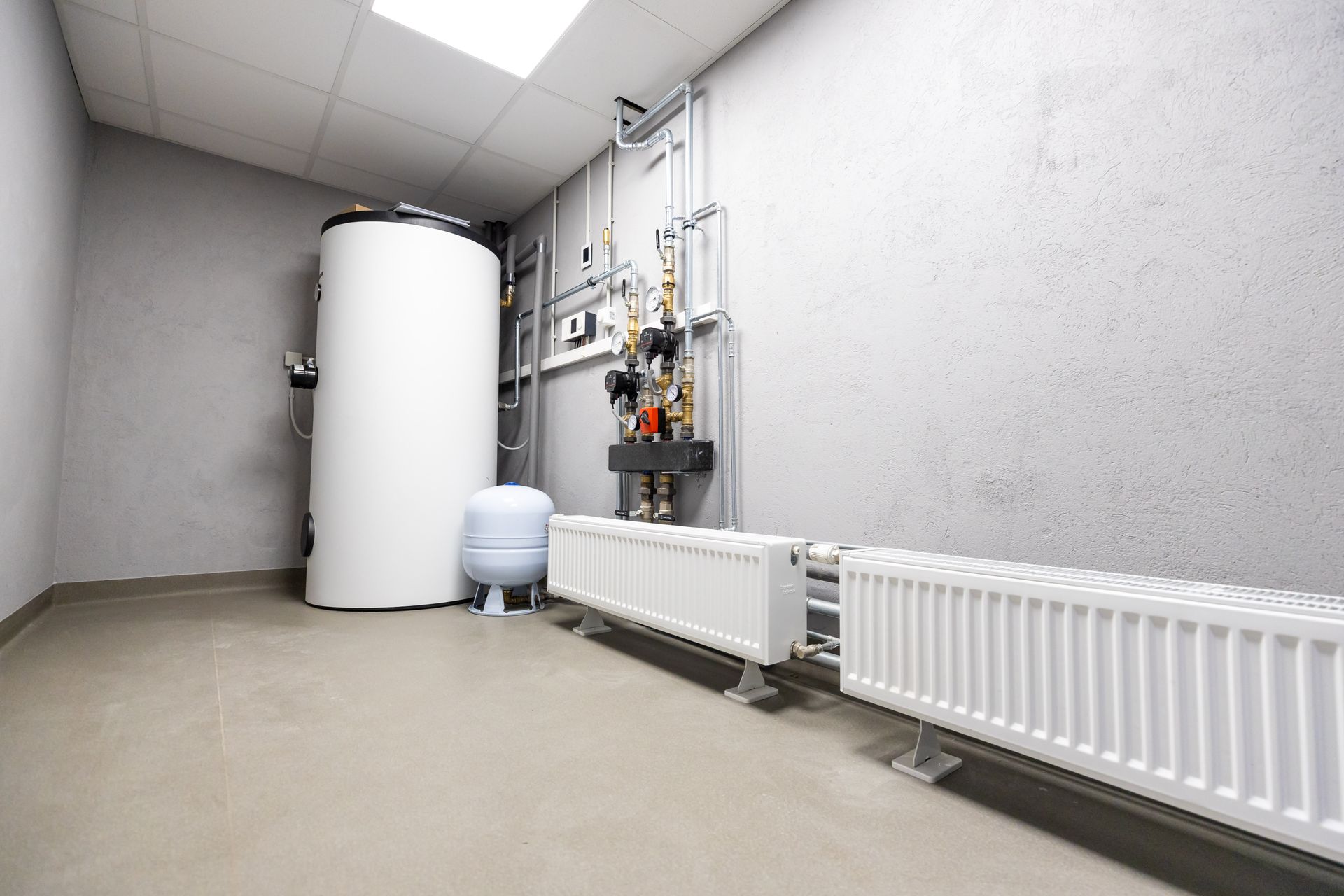
Hard water forces your heating equipment to consume significantly more energy to reach the desired temperature. As scale builds up on the internal heating elements, it acts as an insulator that blocks heat transfer. This makes routine water heater installation and replacement a frequent necessity if the water remains untreated.
• Increased Energy Bills: An insulated heating element runs longer and draws more power to heat the same volume of water.
• Rumbling Noises: Boiling water trapped beneath a layer of calcium scale creates loud popping or rumbling sounds inside the tank.
• Premature Failure: The constant overheating required to bypass the scale causes the internal components to burn out rapidly.
Tip #2: Monitor for Accelerated Pipe Corrosion
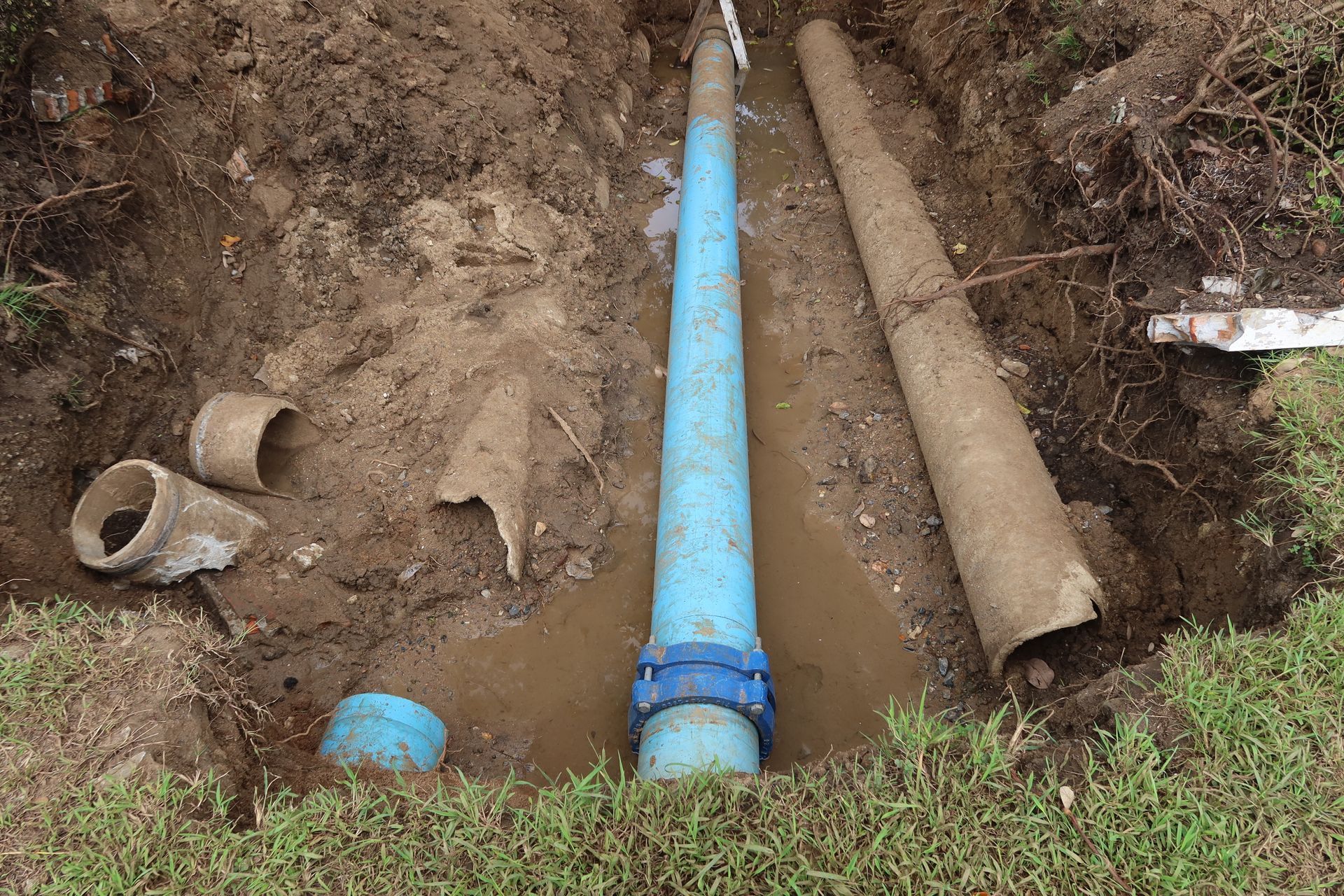
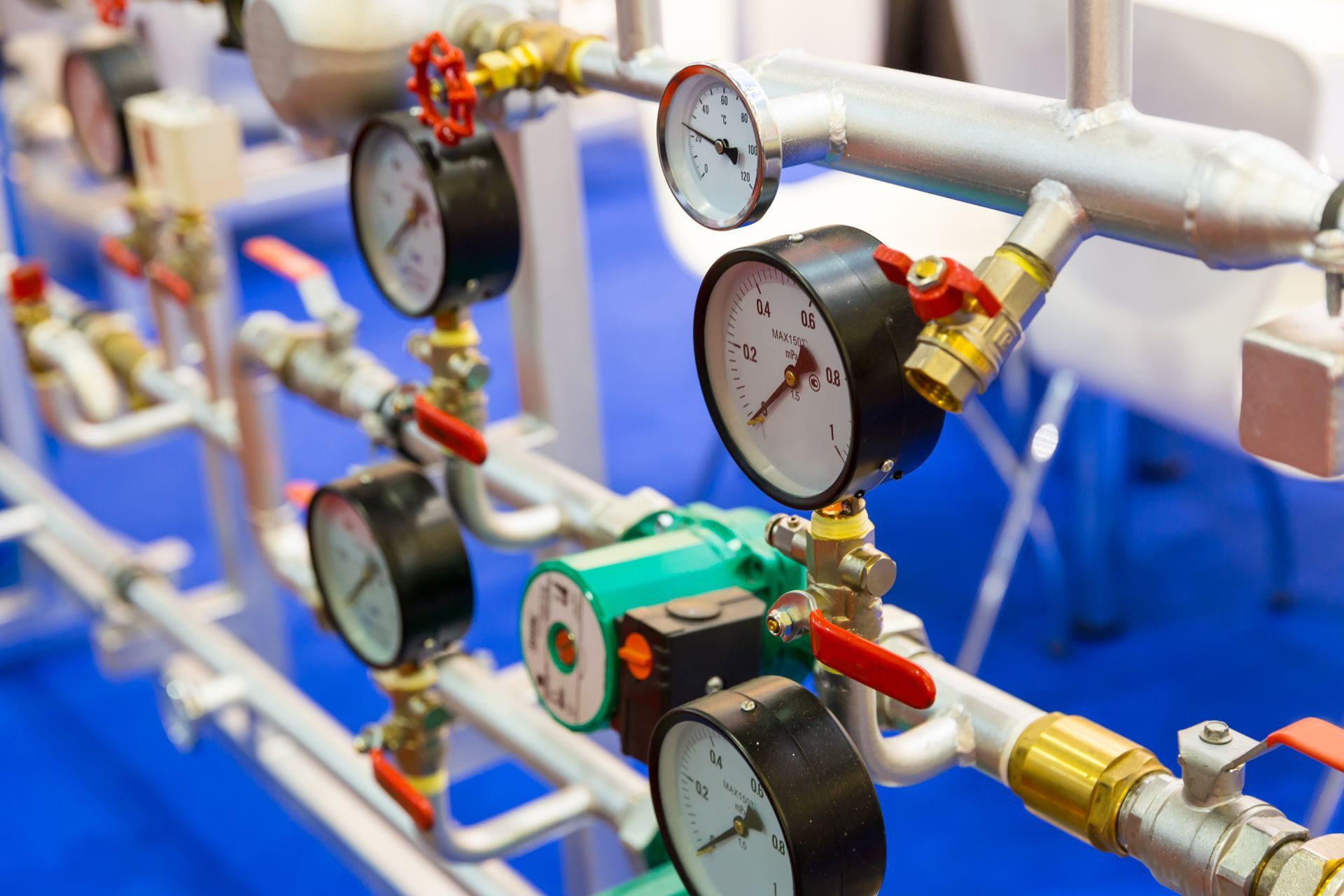
The internal diameter of your plumbing network slowly shrinks as mineral deposits adhere to the pipe walls. This restricted flow creates friction and increases the internal pressure within the system. High pressure and mineral scaling combined will severely degrade the integrity of your commercial pipes over time.
• Restricted Flow Rates: You will notice a significant drop in water pressure across the facility as the pipes choke on mineral deposits.
• Pin Hole Leaks: The uneven pressure and abrasive minerals wear thin spots into metal piping until small leaks begin to appear.
• Cloudy Water: Excess minerals often cause the water to appear cloudy or leave a white chalky residue when it dries.
This progressive damage is frustrating for facility managers who just want their systems to work reliably. It is a pattern the team at Atomic Plumbing and Mechanical hears regularly from our commercial clients.
► Client Experience: Excellent service, exceptional experience and fixed my issue completely 100 percent!!!
Addressing the actual root cause prevents these recurring plumbing failures and extends the life of your entire system.
Tip #3: Track Frequent Fixture Replacements
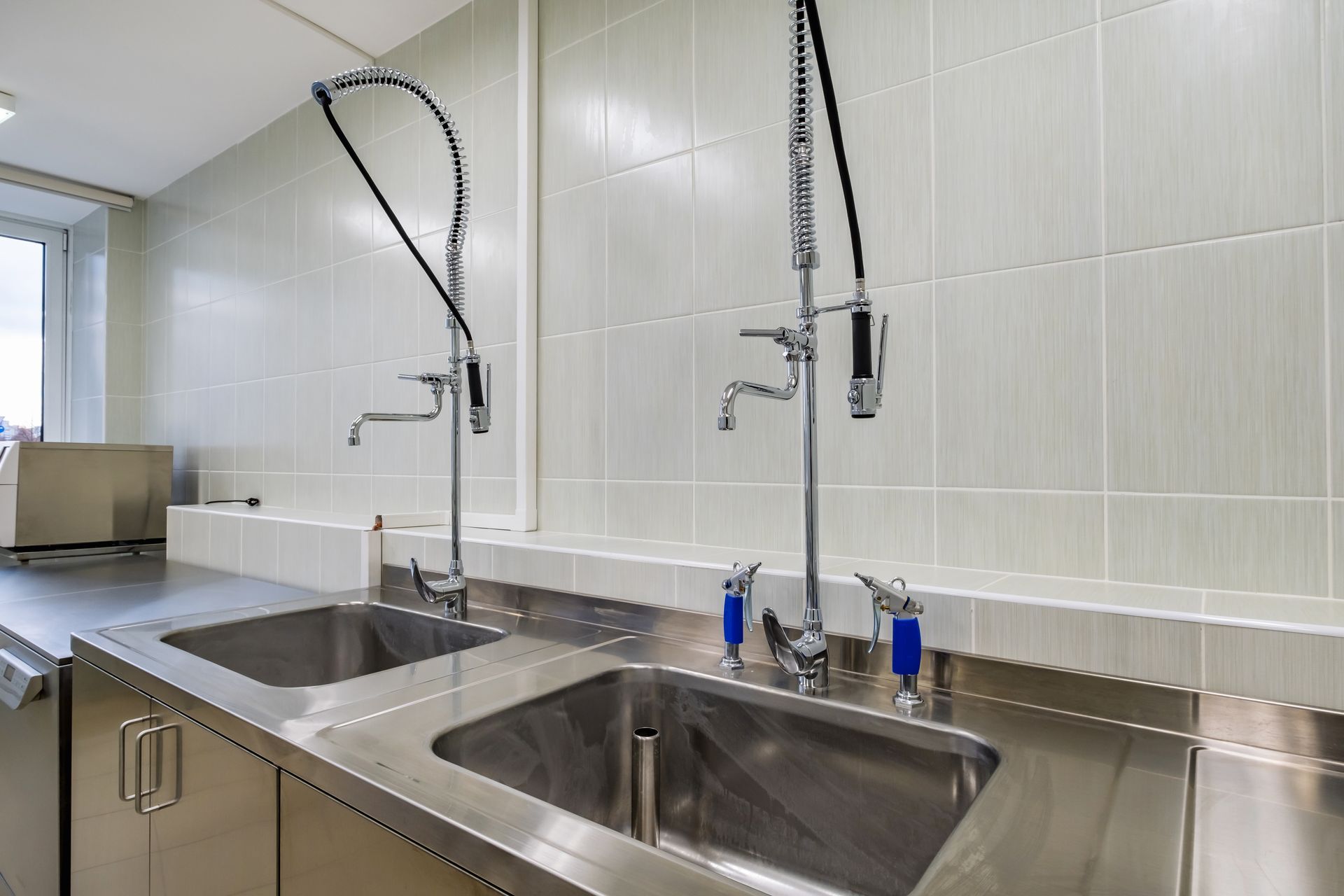
Commercial faucets and flush valves are precision instruments that rely on tight internal seals. Hard water minerals scratch these rubber seals and clog the small internal ports. This results in constant dripping and fixtures that fail to shut off completely.
• Calcified Aerators: The small screens at the end of your faucets will crust over with hard white scale and block the water flow.
• Leaking Flush Valves: Minerals score the internal gaskets of commercial toilets, causing them to run continuously and waste thousands of gallons of water.
• Stiff Handles: The buildup of calcium inside the cartridge makes faucet handles difficult to turn or prone to snapping.
Tip #4: Calculate Increased Soap and Chemical Costs
Calcium and magnesium ions react poorly with commercial soaps and cleaning chemicals. Instead of creating a rich lather, the minerals bind with the soap to create a sticky scum. Your custodial and kitchen staff must use significantly more product to achieve the desired level of cleanliness.
• Doubled Chemical Usage: Facilities without water softeners often use twice the amount of detergent in their commercial dishwashers and laundry machines.
• Spotty Glassware: The mineral content leaves distinct white spots and cloudy films on dishes and glassware after drying.
• Extra Scrubbing Labor: The sticky soap scum binds to sinks and floors, requiring your staff to spend extra hours scrubbing surfaces.
Frequently Asked Questions
What are the signs of hard water damage in commercial pipes?
The most obvious sign is a persistent drop in water pressure across multiple zones in your facility. You will also see a white crust forming around pipe joints and supply valves where tiny amounts of water have evaporated. Eventually, this internal scaling leads to increased pinhole leaks and frequent pipe bursting incidents.
How often should commercial water softeners be serviced?
Industrial systems require a professional inspection every six to twelve months depending on the volume of water processed. The salt brine tank needs regular monitoring to ensure salt bridging has not occurred. Routine servicing also involves checking the control valve calibration and cleaning the resin bed to maintain optimal ion exchange.
Can water softeners improve commercial boiler efficiency?
Yes, removing the calcium and magnesium prevents scale from insulating the heat exchanger tubes. This allows the heat to transfer directly into the water without fighting through a layer of rock. Improved heat transfer drastically reduces energy consumption and protects the boiler from overheating.
Protect Your Commercial Infrastructure
Ignoring mineral buildup only guarantees a more expensive equipment replacement bill down the road. Local facility managers trust our honest approach to evaluating water quality and recommending the right industrial treatment systems. Contact us to assess your commercial property and explore softening solutions that fit your operational needs.
Share This Blog