Fixing Pressure Drops in Aging Medical Gas Systems in the Tri-Cities
A master alarm signaling a pressure drop is one of the most critical warnings a healthcare facility can receive. These life safety networks must maintain absolute consistency, and any fluctuation points to a dangerous physical breach inside the walls. Trying to isolate the exact location of the escaping oxygen or nitrous oxide is incredibly difficult without specialized diagnostic gear.
Safety codes dictate that only highly trained professionals can touch these specialized delivery systems. The certified installers at Atomic Plumbing and Mechanical utilize advanced acoustic technology to pinpoint hidden leaks safely. Restoring your pipeline integrity quickly protects patient care and keeps your building fully compliant.
What We Cover:
- Failing Zone Valve Seals and Pressure Loss
- The Dangers of Uncertified In House Repairs
- Aging Copper Joints and Micro Leaks
Failing Zone Valve Seals and Pressure Loss
Zone valves isolate specific areas of a hospital so maintenance can occur without shutting down the entire building. Over decades of use, the internal Teflon seals within these ball valves begin to dry out and degrade. When a seal fails, the medical gas escapes into the surrounding wall cavity, leading to a steady drop in line pressure that triggers the master alarm panels.
What causes low pressure in a medical gas pipeline?
Low pressure is typically caused by failing regulators at the main supply manifold or degraded O-rings inside the patient terminal units in the rooms. When the primary regulator struggles to modulate the flow from the bulk tanks, the entire downstream network suffers from inadequate volume. Additionally, if the terminal units on the walls develop leaks from constant plugging and unplugging of flowmeters, the localized pressure will drop significantly.
Replacing a faulty zone valve or terminal unit requires a temporary shutdown of that specific wing. Certified technicians must properly purge the line with nitrogen during the brazing process to ensure no oxidation contaminates the interior of the pipe.
→ From a professional standpoint: Purging with nitrogen during repairs is a mandatory code requirement to keep the piping interior perfectly clean for patient use.
The Dangers of Uncertified In House Repairs
When an alarm sounds, the immediate reaction of a hospital maintenance team is often to grab a wrench and attempt a quick fix. This is incredibly dangerous for high purity systems. Medical gas repair requires specialized tools that have been properly cleaned for oxygen service to prevent catastrophic combustion risks.
Standard commercial plumbing tools covered in pipe dope or grease must never touch an oxygen line. Introducing even a microscopic amount of hydrocarbon grease into an oxygen rich environment can cause an immediate and violent fire. DIY repairs also void the system certifications and open the facility to severe liability during a health department inspection.
→ A quick tip to remember: Only technicians with specific ASSE 6010 certifications are legally permitted to install or repair these critical life safety pipelines.
Finding a certified installer who responds promptly to urgent facility needs is a pattern the team at Atomic Plumbing and Mechanical hears regularly.
► Client Experience: Atomic Plumbing fixed our problem in no time. David was professional and very nice. The craftsmanship is top notch and I would recommend Atomic Plumbing for any of your plumbing needs.
Relying on credentialed experts eliminates the guesswork and keeps your facility strictly aligned with national safety codes.
Aging Copper Joints and Micro Leaks
Older hospitals often suffer from pressure drops due to micro leaks developing at the brazed copper joints behind the drywall. Decades of thermal expansion and structural settling put stress on the piping network. A joint that was perfectly sealed twenty years ago can develop a hairline fracture that slowly vents nitrous oxide or medical air into the ceiling plenum.
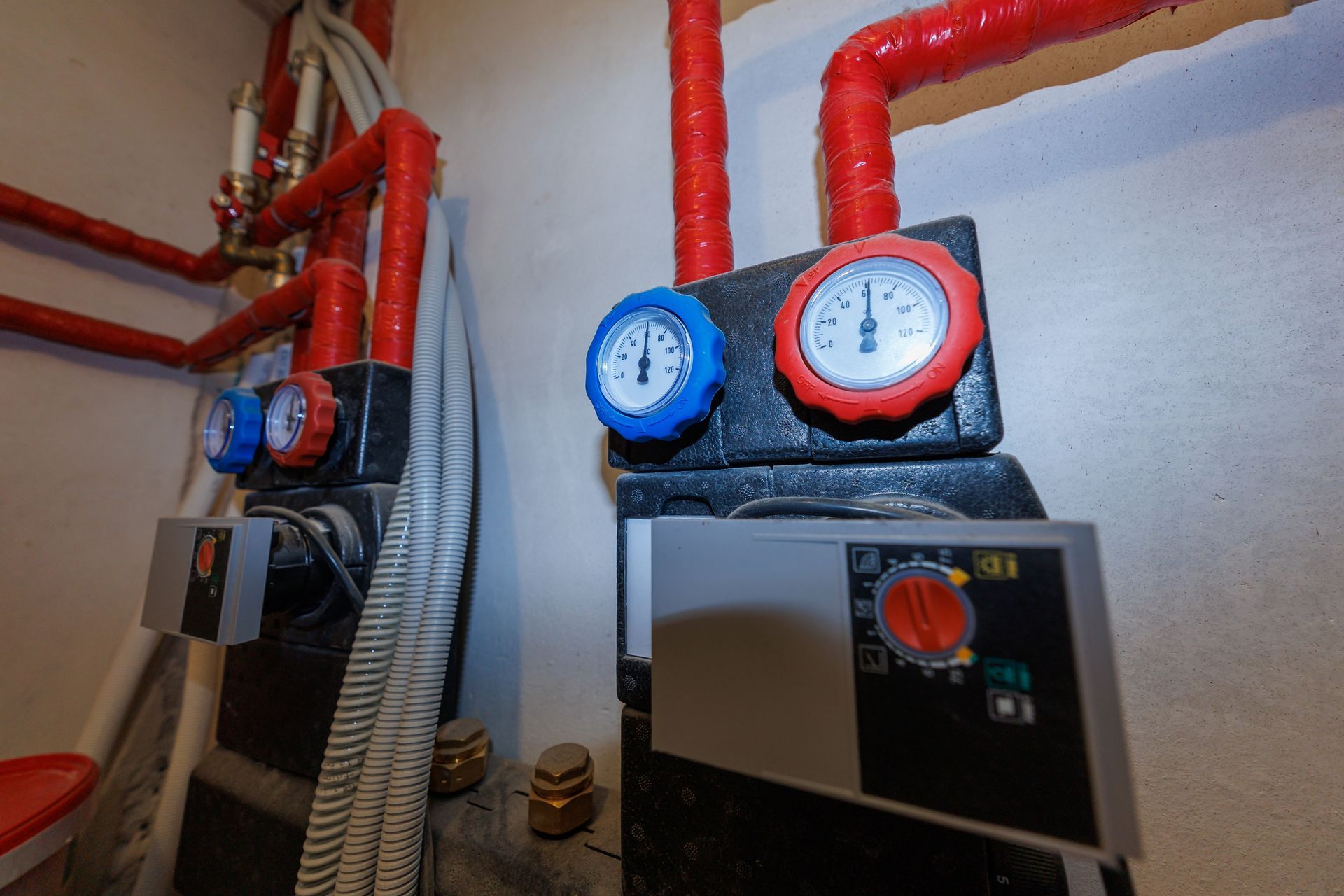
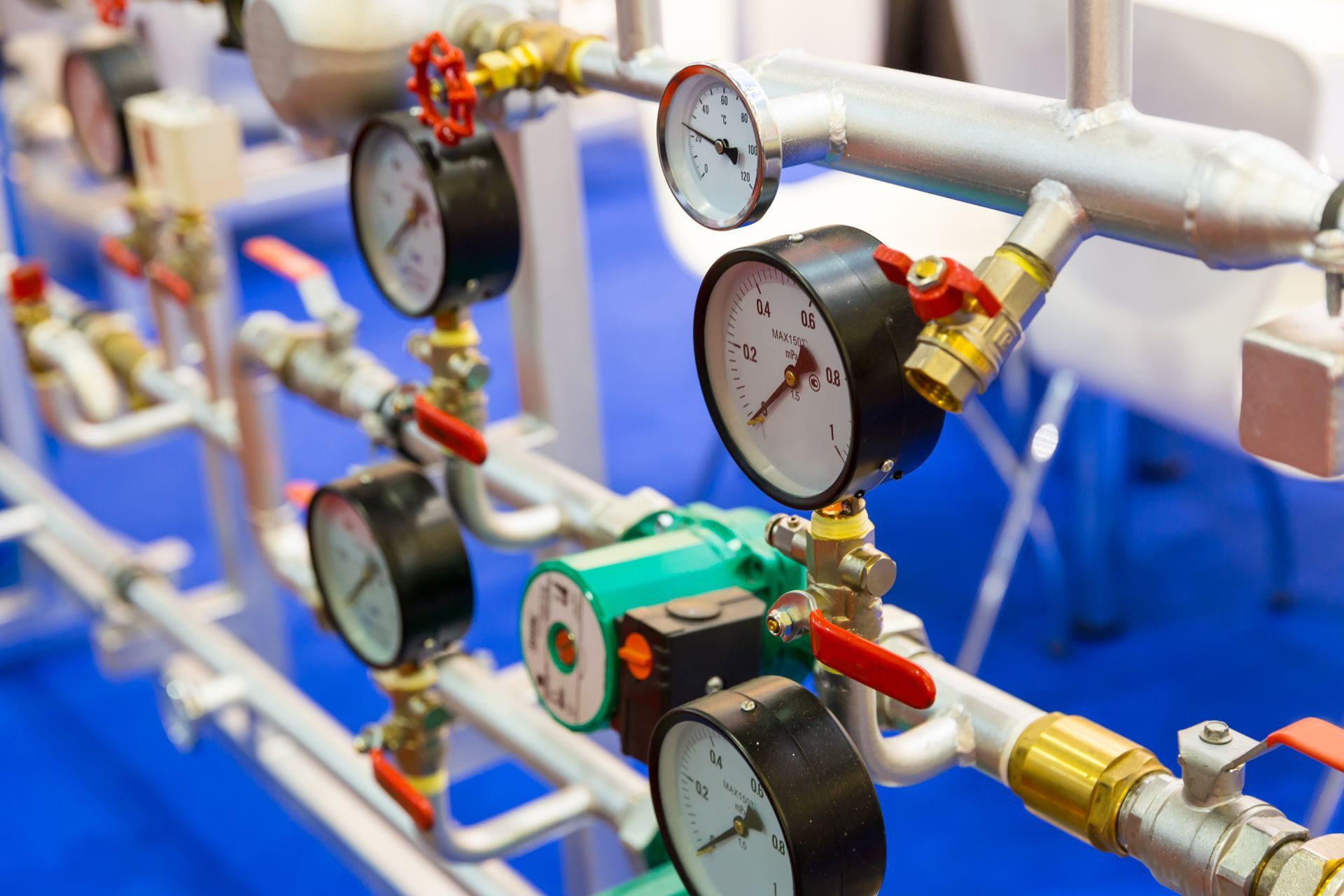
Locating these invisible leaks requires advanced acoustic leak detectors and pressure decay testing. We isolate the system section by section, monitoring the pressure gauges to isolate the exact branch line that is failing. Once the leak is found, the damaged copper section must be completely cut out and replaced using strict silver brazing techniques.
→ From a professional standpoint: Acoustic leak detection saves hospitals from tearing down unnecessary drywall by pinpointing the exact location of the escaping gas.
Restore Your System Integrity Today
Ignoring a low pressure alarm puts your patients at risk and threatens your facility compliance standing. Our certified installers have the training and the tools to diagnose your pipeline failures and execute safe, permanent repairs. Reach out to our specialized team to audit your system and restore your complete operational confidence.
Share This Blog