4 Crucial Tips for Commercial Gas Line Leak Detection in the Tri-Cities
Aging industrial pipes rarely announce a slow leak with a sudden burst of warning odors. Small breaches in heavy-duty fittings can vent hazardous fuel for months before anyone notices a problem. Depending solely on your nose is a dangerous strategy when managing large scale properties in Kennewick Washington.
Catching these invisible threats requires rigid static pressure testing and calibrated electronic detection tools. Partnering with Atomic Plumbing and Mechanical gives your maintenance team the exact data they need to verify system safety. Proactive monitoring ensures your heavy machinery operates correctly and your staff remains protected.
In This Article:
- Tip #1: Watch for Drops in Static Pressure
- Tip #2: Do Not Rely Solely on Smell
- Tip #3: Inspect Underground Polyethylene Connections
- Tip #4: Monitor the Operation of Heavy Industrial Equipment
- Frequently Asked Questions
Tip #1: Watch for Drops in Static Pressure
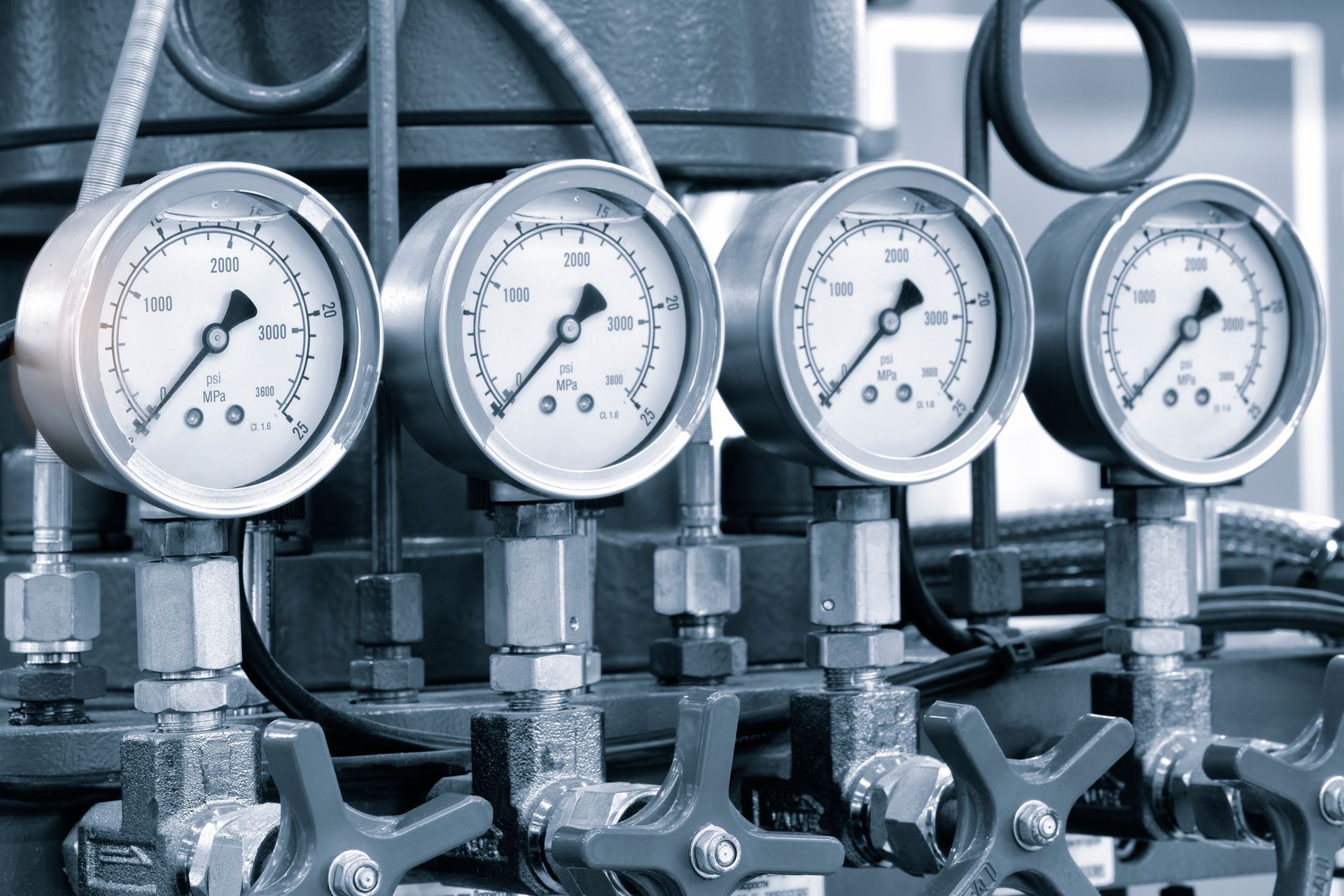
Your facility relies on a consistent pressure level to operate commercial water heaters and kitchen equipment properly. A sudden or gradual drop in this pressure often indicates that gas is escaping the closed system somewhere down the line.
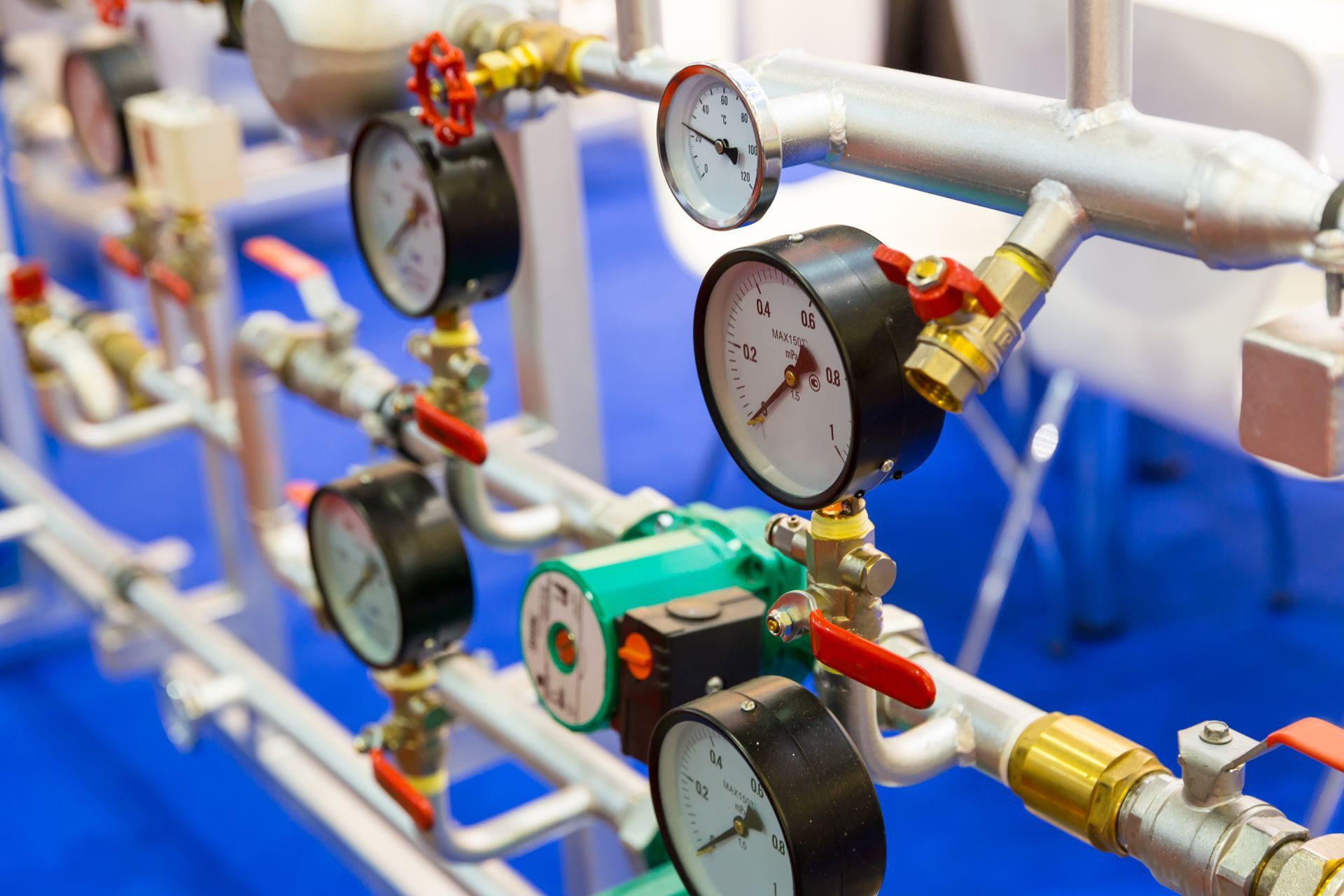
• Gauge Fluctuations: Monitor the inline pressure gauges near your main meter for unexplained drops during normal operating hours.
• Sluggish Equipment: Pay attention if your commercial boilers or fryers take significantly longer to heat up than they usually do.
• Professional Pressure Tests: Hire a certified plumber to cap the lines and perform a static pressure test to definitively prove if a leak exists.
Tip #2: Do Not Rely Solely on Smell
While the utility company adds a chemical called mercaptan to give natural gas its distinct rotten egg odor, this smell is not a foolproof warning system. In an industrial setting, the smell can be masked by other chemicals, or the mercaptan can be stripped out as the gas travels through certain types of soil.
• Olfactory Fatigue: Employees working in the building every day can become nose blind to a slow, gradual leak.
• Soil Scrubbing: If an underground pipe leaks, the dirt above it can actually filter out the odorant before the gas reaches the surface.
• Combustible Gas Detectors: Rely on calibrated electronic gas sniffers rather than human senses to find small fugitive emissions around pipe threads.
Providing honest assessments during high stress situations is something clients notice firsthand.
► Client Experience: I had such a great experience with this plumber! He arrived right on time (actually a couple of minutes early), took one look at my water heater, and immediately knew what the problem was. He said it was an easy fix and even offered to do it free of charge. He was incredibly kind, honest, and pleasant to work with.
Working with an honest contractor means you get accurate safety information without unnecessary upselling.
Tip #3: Inspect Underground Polyethylene Connections
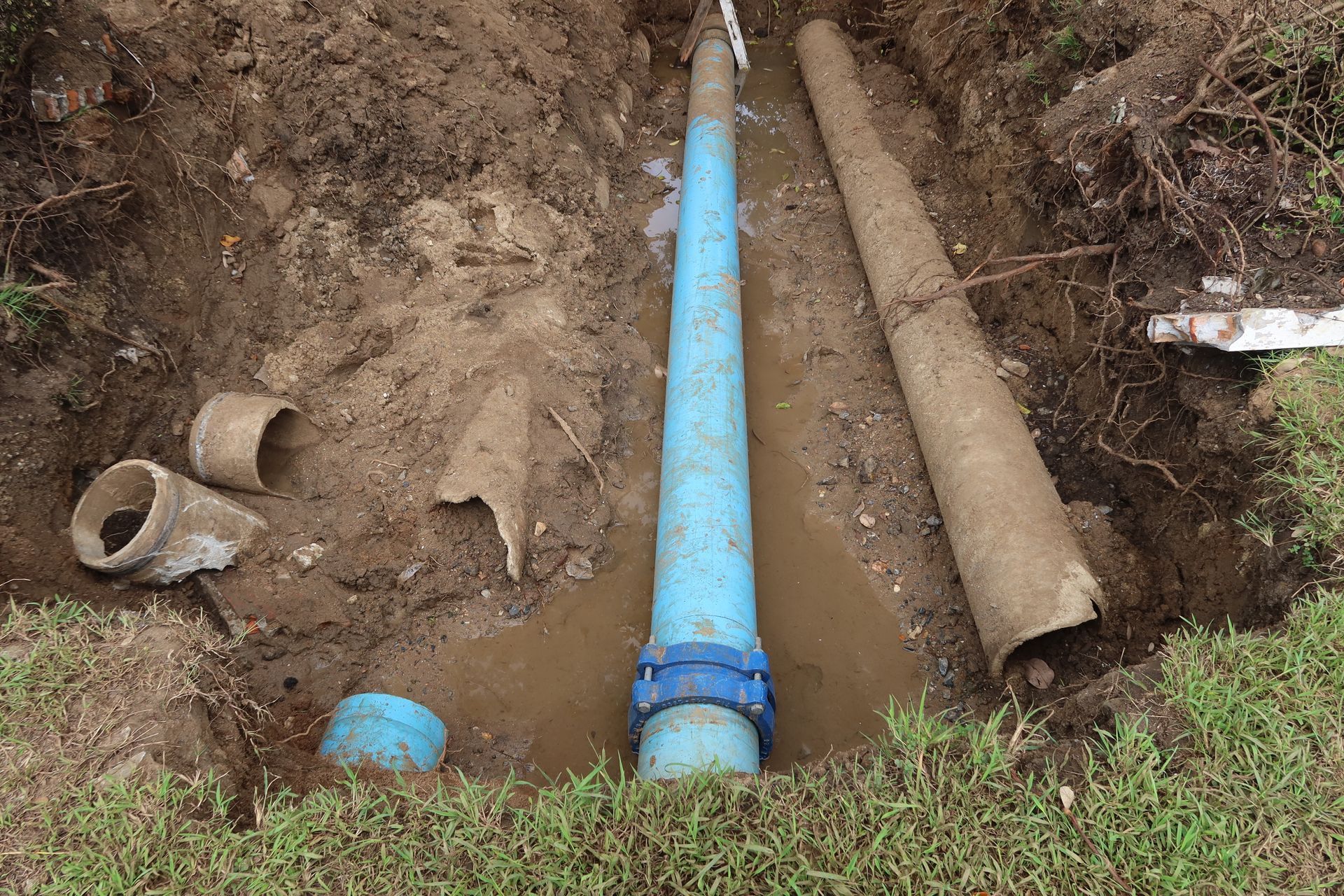
Many commercial properties use high density polyethylene piping for their underground gas lines because it does not rust. However, the mechanical transition fittings where the plastic connects to the steel risers above ground are notorious points of failure if not installed perfectly.
• Shifting Soil: Heavy vehicle traffic and settling soil can pull the underground plastic pipe away from the metal connection point.
• Riser Degradation: The anodeless risers bringing the gas out of the dirt are still susceptible to corrosion if their protective coating is scratched.
• Anode Bed Testing: Have your cathodic protection systems tested to ensure your buried steel lines are actively resisting rust.
Tip #4: Monitor the Operation of Heavy Industrial Equipment
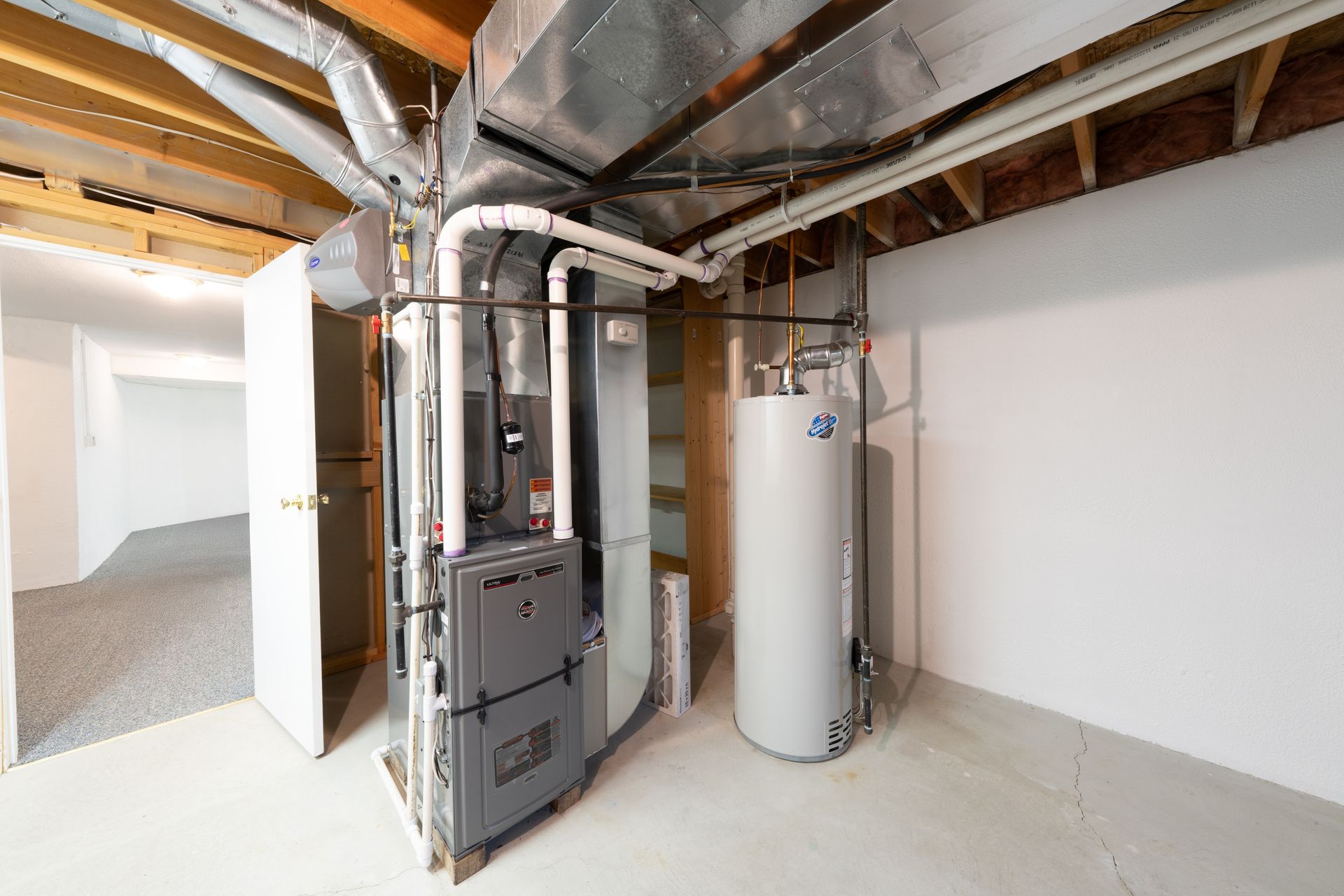
Large commercial appliances pull a massive volume of gas every time they cycle on. The constant vibration and thermal expansion from these machines put incredible stress on the rigid gas piping connected to them.
• Check Flexible Connectors: Ensure the stainless steel flex lines connecting the equipment to the wall pipe are not kinked, crushed, or visibly worn.
• Listen for Hissing: Pay close attention to the gas regulators and shutoff valves near the equipment for faint hissing sounds.
• Validate Combustion: Look at the burner flames on your equipment to ensure they are burning a crisp blue, as yellow flames indicate improper gas pressure or poor combustion.
Frequently Asked Questions
How do professionals test for a commercial gas leak?
We use highly sensitive electronic combustible gas indicators to sweep the area and locate the general vicinity of the escaping gas. Once we find the suspect area, we apply a specialized non corrosive leak detection fluid to the pipe joints to watch for bubbling, which pinpoints the exact point of failure.
What materials are best for underground commercial gas piping?
High density polyethylene is the industry standard for underground commercial gas lines because it is completely immune to rust and corrosion. For above ground interior piping, rigid black steel pipe is required due to its physical strength and fire resistance properties.
How often should commercial gas lines be inspected?
Commercial facilities should have their entire gas infrastructure visually inspected and pressure tested by a licensed plumber at least once a year. Facilities located in areas with high seismic activity or heavy industrial vibrations should consider biannual inspections to verify joint integrity.
Verify Your Gas Line Safety
Protecting your employees and your property from gas leaks requires professional vigilance and the right diagnostic tools. Our certified commercial plumbing team is equipped to pressure test your facility and locate the hidden leaks that threaten your business. Call our office today to schedule a comprehensive gas line safety inspection.
Share This Blog