Before You Book: Sizing Residential Water Heaters in Tri-Cities
Waking up to a freezing shower is a harsh reminder that your household heating system is no longer keeping up. Many homeowners rush into buying a replacement unit without actually calculating their daily peak water demand. Guessing on the size of a new tank or on demand unit often leaves growing families frustrated with inconsistent temperatures.
Evaluating your specific morning routine is the only way to guarantee a reliable supply. Atomic Plumbing and Mechanical walks residents through this calculation process to ensure total accuracy before any equipment is ordered. Making an informed choice now prevents decades of lukewarm water and needlessly high utility bills.
What We Cover:
- Evaluating Your Household Peak Demand
- Red Flags When Evaluating Plumbing Providers
- Questions to Ask Before Your Installation
- Make a Confident Water Heater Choice
Evaluating Your Household Peak Demand
Understanding how much hot water your family uses at exactly the same time is the secret to proper sizing. Plumbers call this your peak hour demand. If two people shower while the dishwasher is running, your system must deliver enough hot water to satisfy all three fixtures simultaneously.
• Fixture Flow Rates: Check the gallons per minute rating on your showerheads and sink faucets to calculate your total potential draw.
• Groundwater Temperature: Winter groundwater in Washington is very cold, meaning your heater must work harder to raise the temperature to a comfortable level.
• Simultaneous Usage: Track your morning and evening routines to see how many hot water appliances run at the exact same time.
Red Flags When Evaluating Plumbing Providers
Not every contractor has the specific training required to install modern heating systems correctly. A poorly installed system is a safety hazard and will void your manufacturer warranty immediately. Knowing what to look for prevents you from hiring someone who cuts corners.
• No Load Calculation: A contractor who recommends a unit size without asking about your family size or counting your plumbing fixtures is guessing.
• Ignoring Venting Requirements: Upgrading from an electric to a gas unit requires specific ventilation changes that amateur installers often overlook.
• Lack of Permits: Any legitimate water heater installation requires local permits and safety inspections to ensure the work meets building codes.
This dedication to doing the job right the first time is something clients notice firsthand. It is a pattern the team at Atomic Plumbing and Mechanical hears regularly.
► Client Experience: Atomic plumbing came in with a huge mess on his hands. The previous plumber had installed my tankless water heater incorrectly. David had to take it off the wall and start from scratch. He knows the top of the line tankless water heaters which a lot of plumbers don't. I wish I had know him before I spent $4,000 on the other guys. I definitely will continue to use Atomic Plumbing from now on. It's good to know of someone to trust.
Hiring a trained professional protects your investment and ensures your system operates safely for years.
Questions to Ask Before Your Installation
Before you sign an estimate, you need clarity on the scope of the project and the long term maintenance requirements. A trustworthy installer will welcome these questions and provide straightforward answers. Ask about the required retrofitting, especially if you are switching from a tank to a tankless system.
• Gas Line Sizing: Does my current gas line have the capacity to support a high output on-demand heater?
• Electrical Upgrades: Will the new unit require a dedicated electrical circuit or an upgraded breaker panel?
• Maintenance Schedule: What specific maintenance steps must I follow to keep the manufacturer warranty valid?
What size water heater do I need for a family of four?
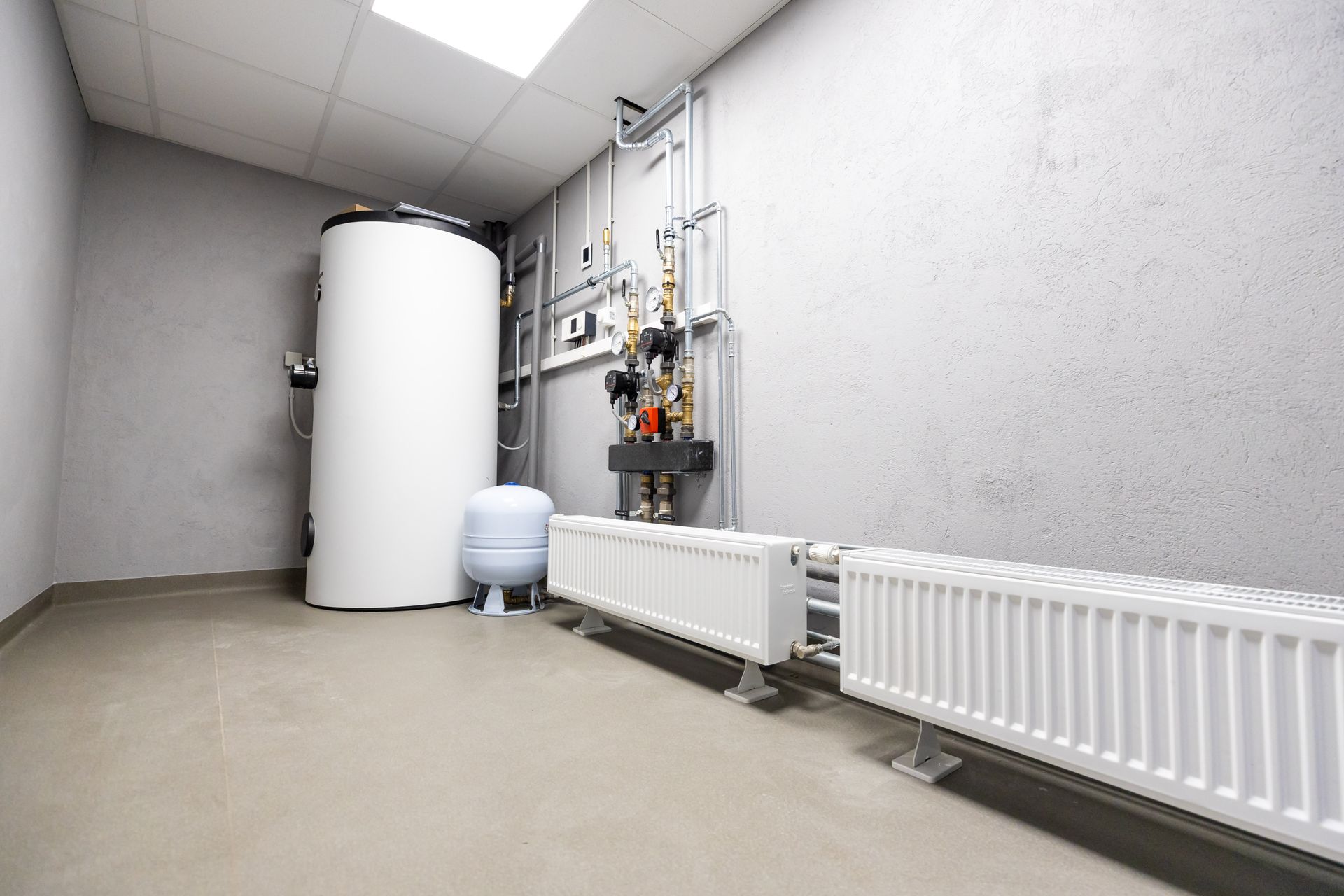
A family of four typically requires a 50 to 60 gallon traditional tank to ensure enough stored hot water for back to back showers and daily chores. If you choose a tankless system, the size is based on flow rate rather than storage capacity. A tankless unit delivering roughly 7 to 9 gallons per minute is usually sufficient for a four person household running two showers simultaneously in our climate.
Make a Confident Water Heater Choice
Taking the time to assess your true household demand ensures you never run out of hot water during a busy morning. Our professionals provide tailored advice so you understand exactly what you are paying for and how it benefits your home. Reach out to our team to schedule a consultation and find the perfect heating solution for your family.
Share This Blog