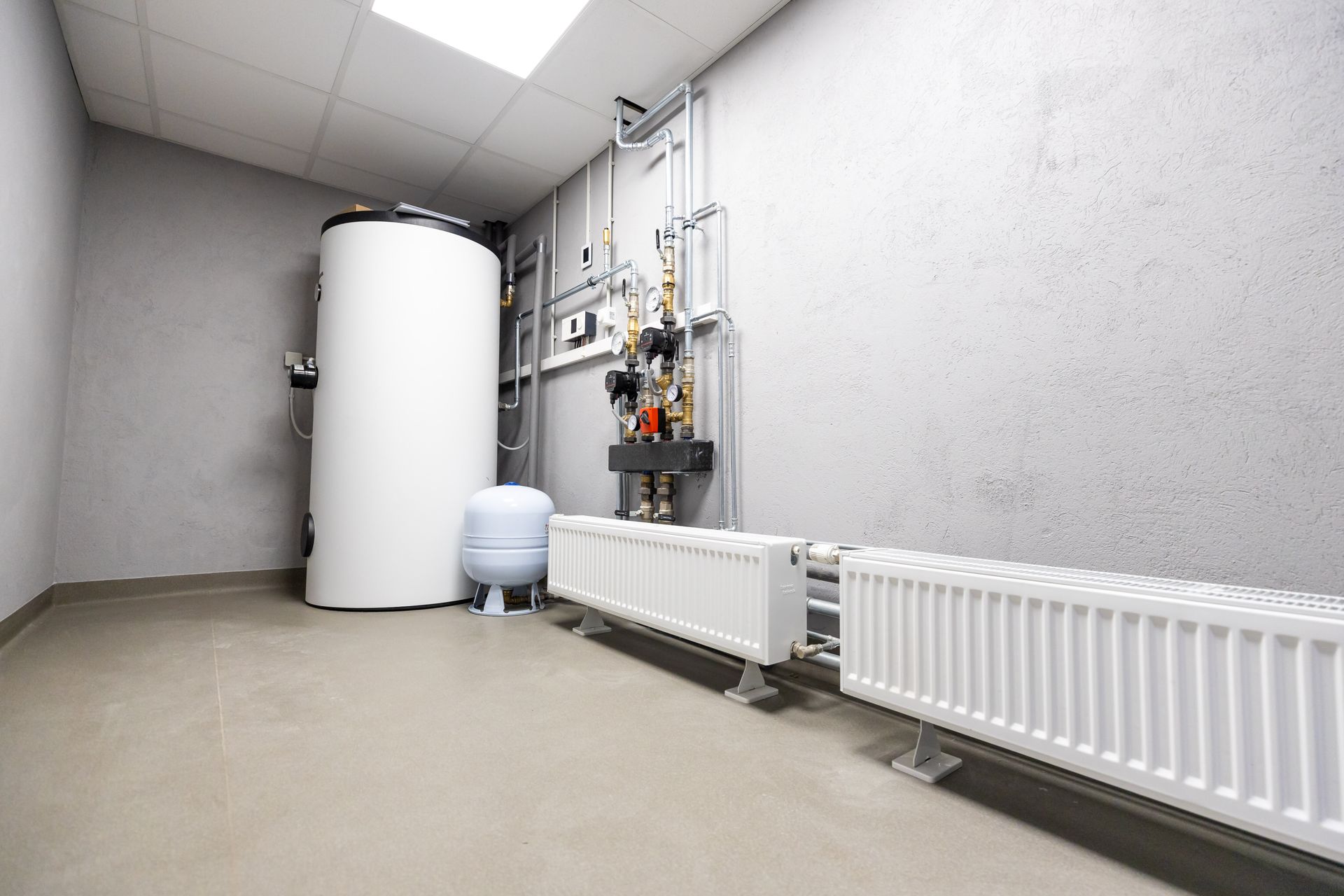
Commercial Tankless Water Heaters: The True ROI for Tri-Cities Businesses
Upgrading a cramped utility room with high-output on-demand water heaters is a highly attractive goal for local businesses. The promise of endless hot water and reduced energy waste makes traditional storage tanks look completely obsolete. However, swapping out this heavy equipment involves major infrastructure changes that are rarely discussed upfront.
Flash heating water requires a massive, instantaneous volume of gas that older pipes simply cannot provide. We make sure clients of Atomic Plumbing and Mechanical understand the true costs of upsizing their utility lines before they commit to a purchase. Looking closely at these retrofitting facts allows you to calculate a realistic return on your investment.
What We Cover:
- The Reality of Retrofitting Costs
- Overestimating the Instant Savings Promise
- Factors That Affect Your Long Term ROI
- Frequently Asked Questions
The Reality of Retrofitting Costs
Tankless units are physically much smaller than traditional tanks. This size difference leads many property managers to assume the installation will be cheaper and faster. The reality is that older commercial utility rooms are built to support slow burning storage tanks.
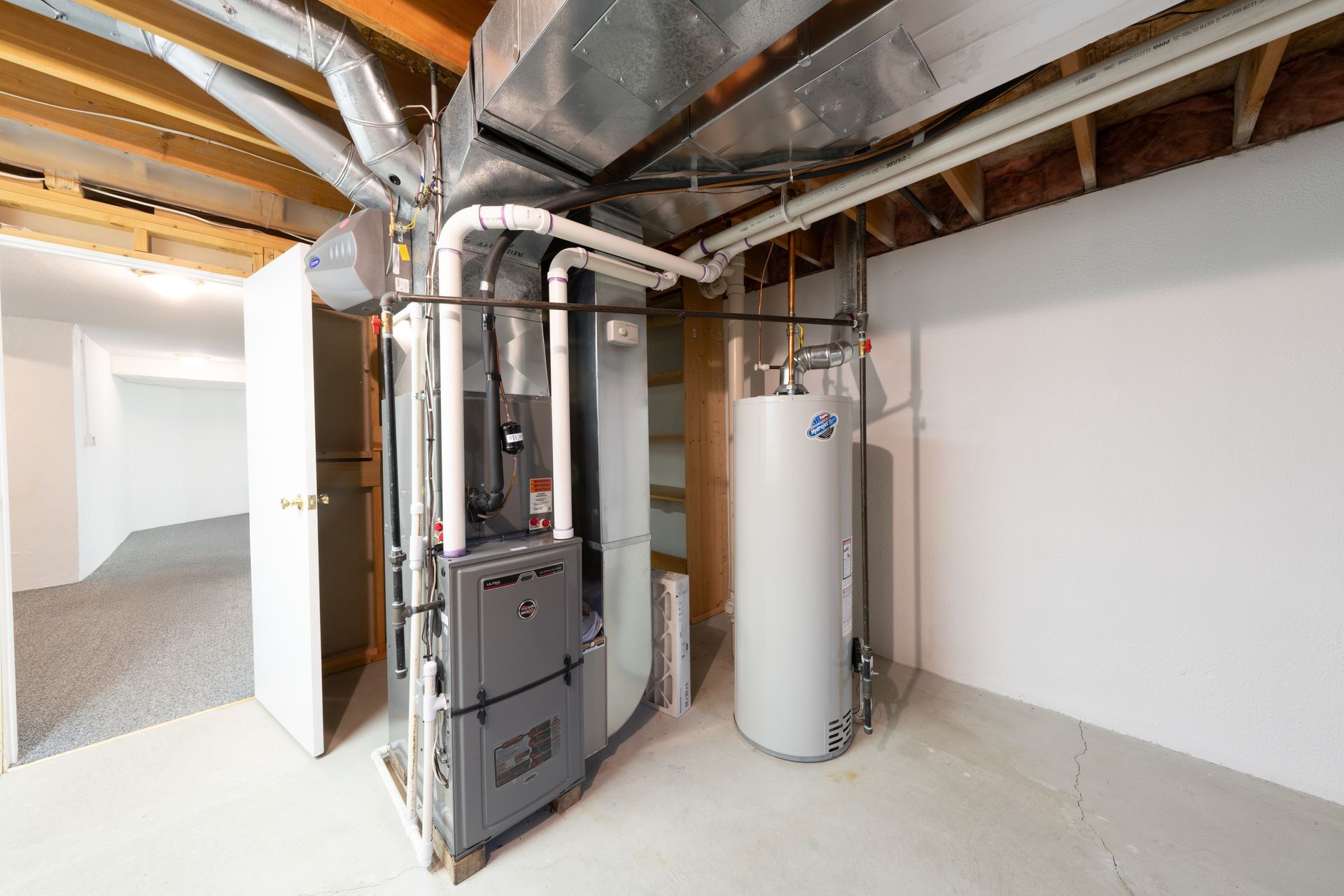
A standard commercial tank might use a half inch gas line because it has hours to slowly heat a large volume of water. A commercial tankless heater needs to heat that same water in seconds. This requires upgrading the gas line to a much larger diameter to supply the necessary fuel volume. Without this upgrade, the unit will starve for gas and shut down during peak operation.
→ From a professional standpoint: Failing to upsize the gas supply line is the most common reason new commercial tankless systems fail immediately after installation.
Overestimating the Instant Savings Promise
A very common overestimation in the commercial sector is that a tankless unit will immediately cut the monthly gas bill in half. While these systems are highly efficient because they do not suffer from standby heat loss, they still require significant fuel to operate.
If your facility runs a busy commercial kitchen, the unit will be firing constantly throughout the day. The energy savings are very real, but they accumulate gradually over the extended lifespan of the equipment. Expecting a drastic plunge in operational costs during the first month often leaves business owners feeling misled by aggressive sales tactics.
→ A quick tip to remember: Tankless efficiency shines in the long run by eliminating the fuel wasted keeping a massive tank hot overnight.
Factors That Affect Your Long Term ROI
The true return on investment for a commercial tankless unit depends heavily on strict maintenance schedules. The internal heat exchanger is highly susceptible to hard water scaling.
Because the water is heated so rapidly, the calcium and magnesium minerals drop out of the water and bake directly onto the heating elements. If the unit is not flushed with a descaling solution regularly, this scale will block the flow of water entirely. A commercial water heater installation only reaches its maximum lifespan if the facility commits to routine professional flushing.
→ From a professional standpoint: Integrating a commercial water softener ahead of your tankless unit is the best way to protect the heat exchanger and maximize your investment.
Frequently Asked Questions
Do commercial tankless water heaters really save money?
Yes, they eliminate standby heat loss entirely because they only burn fuel when a fixture is open. For a business that closes overnight, the savings are substantial because you are no longer paying to keep a hundred gallons of water hot in an empty building.
What are the retrofitting costs for commercial tankless heaters?
Retrofitting costs vary wildly based on your existing infrastructure. You must budget for upsizing the main gas line, installing dedicated electrical outlets for the computer boards, and boring new holes through the exterior wall for specialized PVC intake and exhaust venting.
How long do commercial tankless water heaters last?
When properly maintained and regularly descaled, a commercial tankless unit can operate efficiently for up to twenty years. This is roughly double the expected lifespan of a traditional commercial storage tank operating under similar heavy use conditions.
Make a Smart Commercial Investment
Transitioning to modern water heating technology is a major operational decision that requires honest facts. Our plumbing specialists evaluate your specific daily flow rate and existing utility room to give you an accurate picture of the upgrade process. Call us to schedule a site visit and determine if an on demand system is the right fit for your business.
Share This Blog