How Water Softeners Actually Stop Mineral Buildup in WA Pipes
Many property owners think about water quality only when they notice spots on their glassware or dry skin after washing. The reality is that hard water does its most expensive damage out of sight within your plumbing system. The team at Atomic Plumbing and Mechanical handles pipe replacements that could have been avoided with proper water treatment. Understanding the water softener plumbing protection Washington buildings need requires looking at the actual mechanics of mineral buildup.
It is easy to view water softeners as an optional comfort upgrade rather than a critical system component. The trade reality is very different. Hard water acts like liquid sandpaper and concrete combined, slowly destroying your infrastructure from the inside out and forcing premature equipment replacements.
Inside this guide:
- The mineral problem: What hard water does to metal and plastic.
- Myth versus reality: How softeners actually function.
- Appliance lifespans: Protecting your heavy duty equipment.
Separating Assumption from Trade Reality
The most common assumption about soft water is that it simply helps soap lather better and keeps shower doors clean. While those are nice benefits, a commercial plumber looks at water softeners as a protective shield for your building assets. Ground water is packed with calcium and magnesium. When this water runs through your pipes, it leaves behind microscopic deposits.
Over time, these deposits calcify into a rock-hard layer of scale. This scale restricts water flow, reduces pressure, and traps heat. In commercial kitchens or manufacturing facilities in Kennewick, this restriction leads to massive efficiency losses.
Clients frequently ask our technicians, does a water softener actually clean out my pipes? The honest answer is no. A water softener does not scrub existing scale out of an older plumbing system. Instead, it aggressively prevents new calcium and magnesium from attaching to the pipe walls, stopping the progression of scale buildup in its tracks.
Protecting High-Value Plumbing Assets
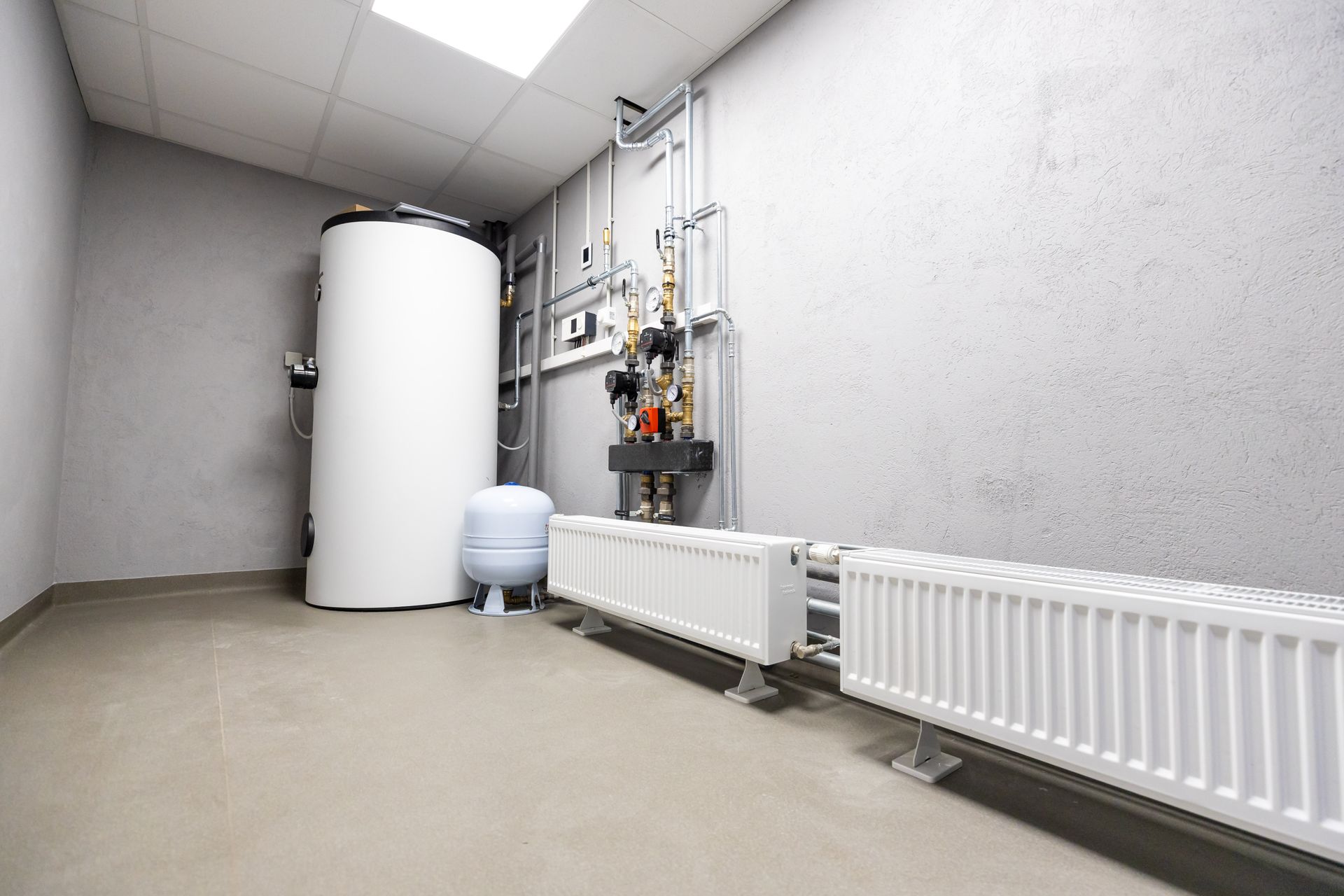
Scale buildup is the number one enemy of water heating equipment. Whether you rely on standard tanks or require a commercial tankless water heater installation and repair, hard water will ruin the heat exchanger. The calcium forms an insulating barrier between the heating element and the water. This forces your unit to burn more fuel to reach the target temperature, driving up utility costs and burning out components prematurely.
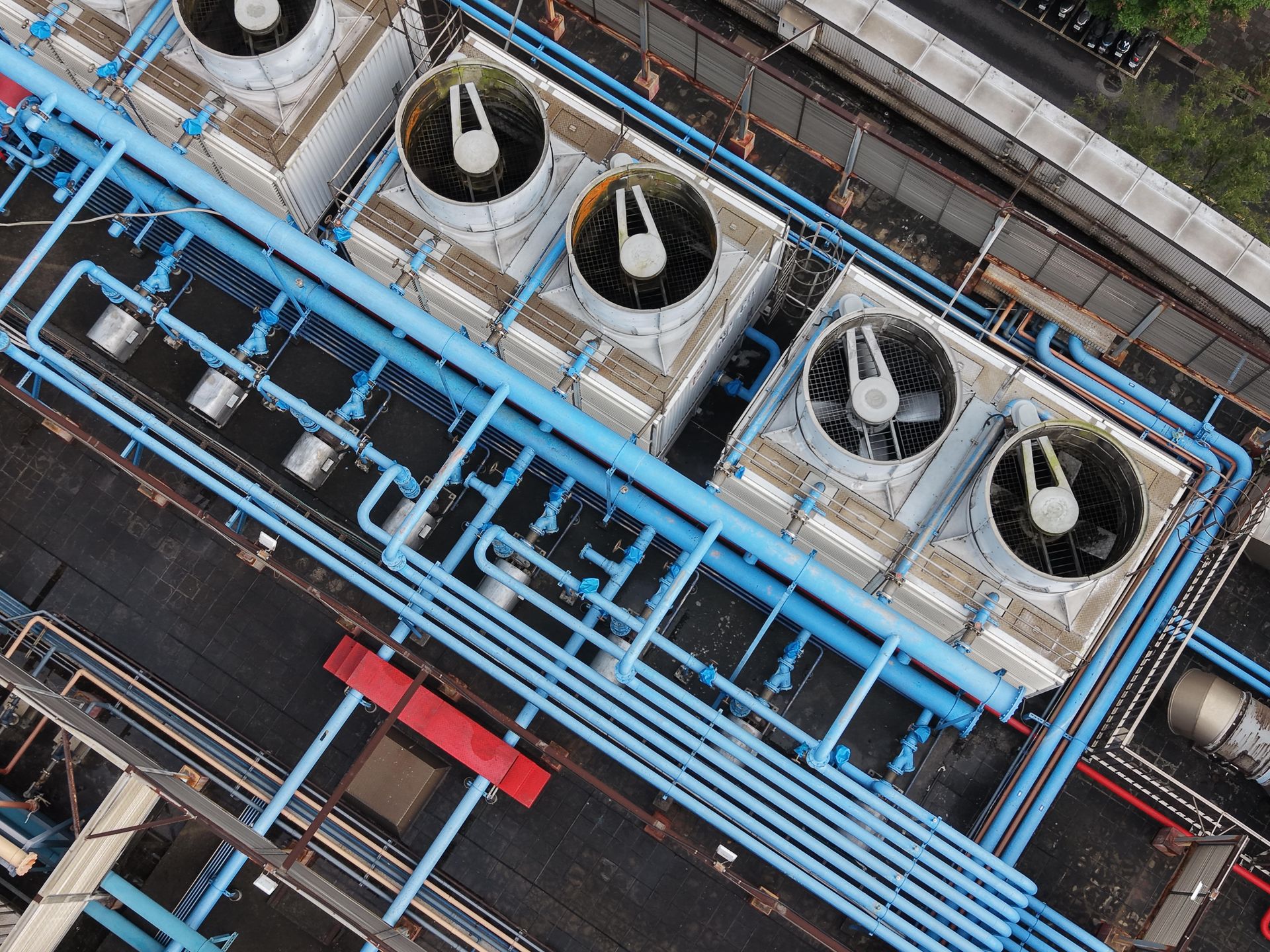
By utilizing an ion exchange process, softeners swap the destructive mineral ions for harmless sodium or potassium ions. The water that travels through your building is physically changed, ensuring that your expensive cooling towers, boilers, and basic supply lines remain clear of obstruction.
Routine water pipe repair and install jobs often reveal the stark contrast between treated and untreated systems. Pipes carrying soft water look practically brand new on the inside, even after decades of heavy use.
Securing Your Plumbing Infrastructure
Upgrading your water treatment system preserves the hidden assets inside your walls and protects your equipment investments. Stopping mineral buildup now prevents the need for invasive pipe replacements later. Reach out to our crew to discuss a heavy-duty softener installation tailored to your daily water volume.
Share This Blog