The Real Reason Commercial Hydronic Heating Systems Lose Heat
Walking into a cold commercial building is a fast way to know your heating system has failed overnight. Property managers often immediately blame the boiler unit when their spaces fail to reach the set temperature. The technicians at Atomic Plumbing and Mechanical know that the boiler is only one piece of a much larger puzzle. Professional commercial hydronic heating repair Tri-Cities businesses rely on involves tracking down the true source of the heat loss.
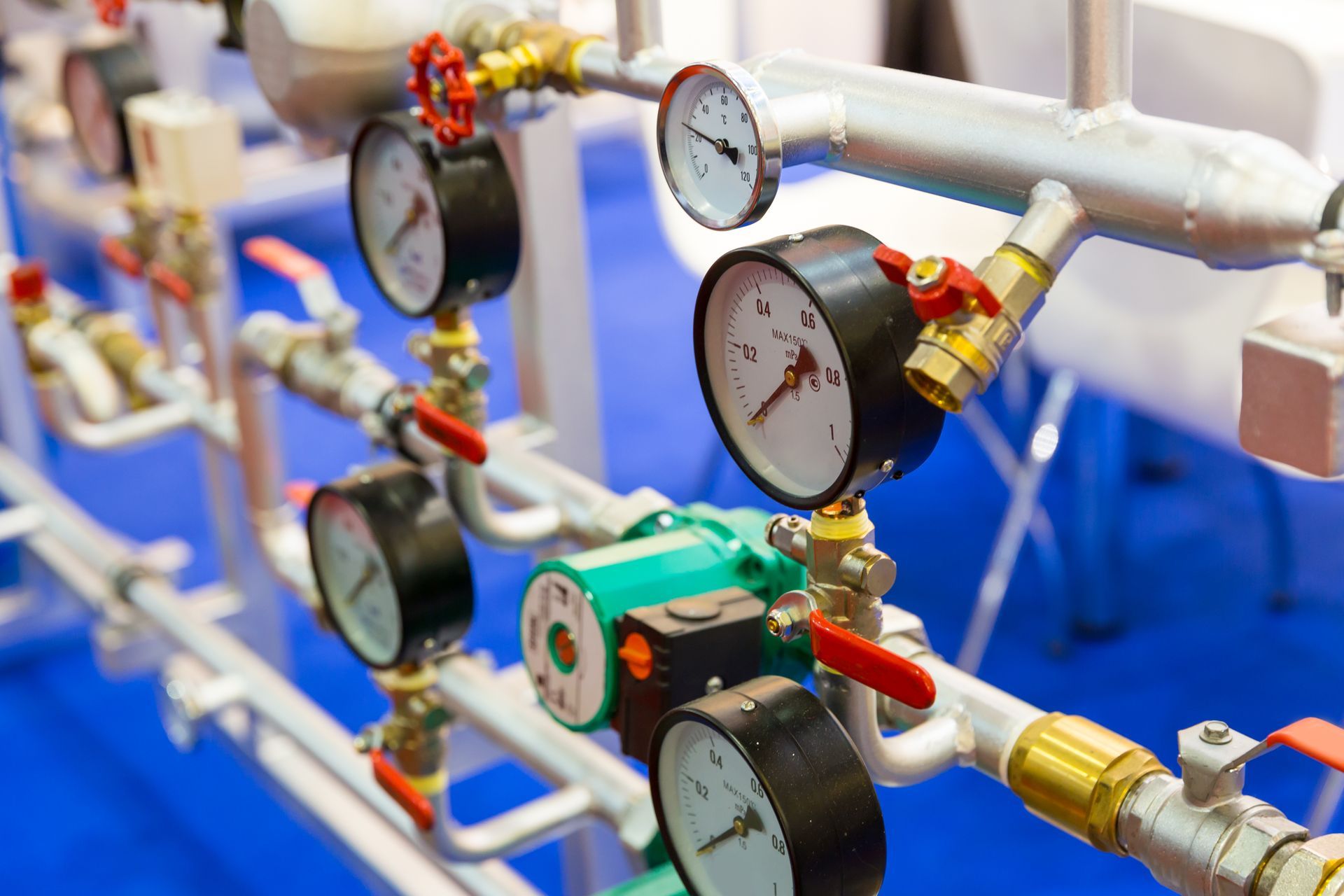
Hydronic systems rely on a delicate balance of pressure, flow, and temperature to move heat throughout a large footprint. When one of these factors drops, the whole network suffers. Identifying the real cause saves you from replacing expensive equipment unnecessarily.
A look at what we cover:
- Flow restrictions: Why hot water stops moving through the loop.
- Pressure drops: The role of expansion tanks and regulators.
- Air bounds: How trapped air kills heat transfer entirely.
The True Culprits of System Failure
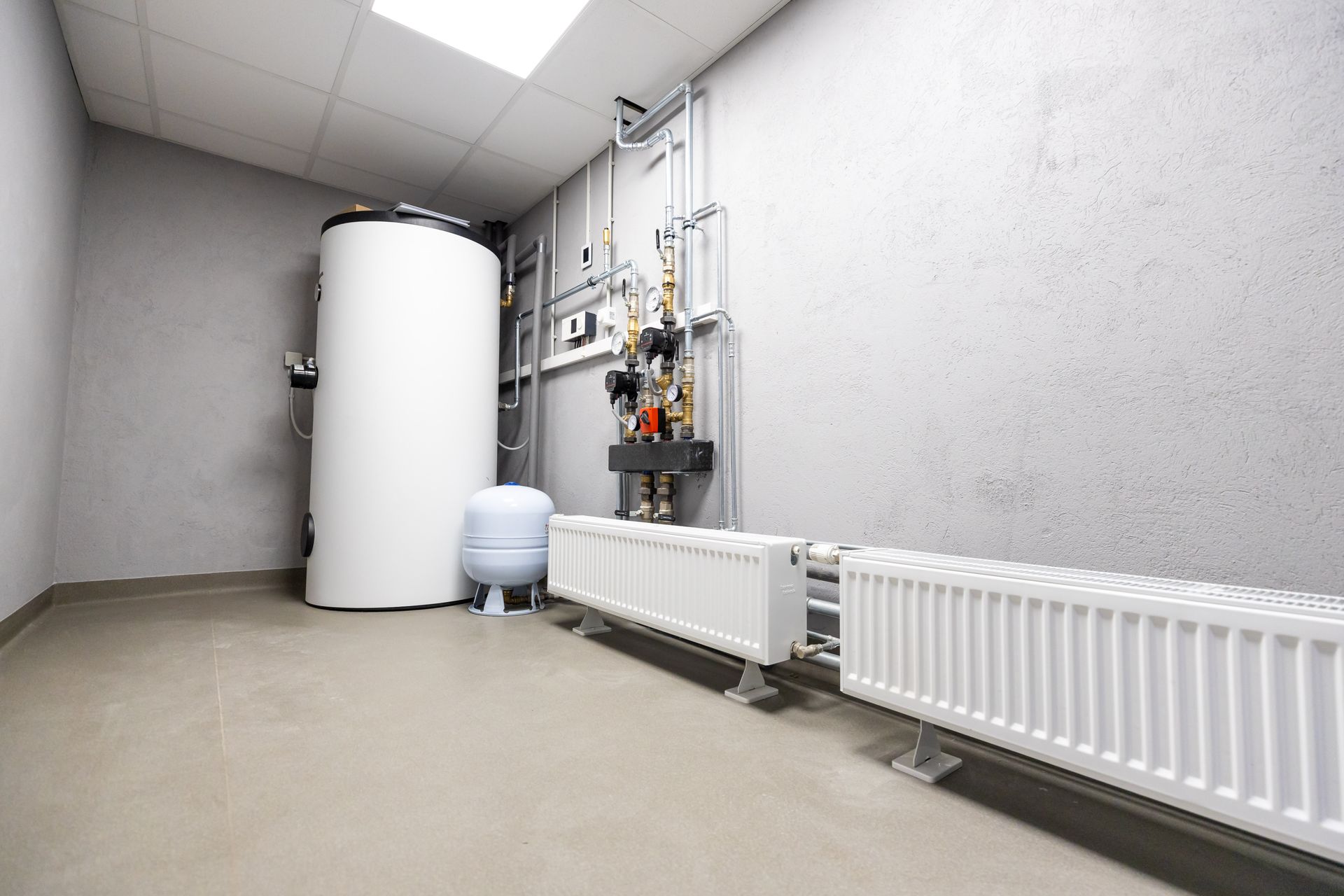
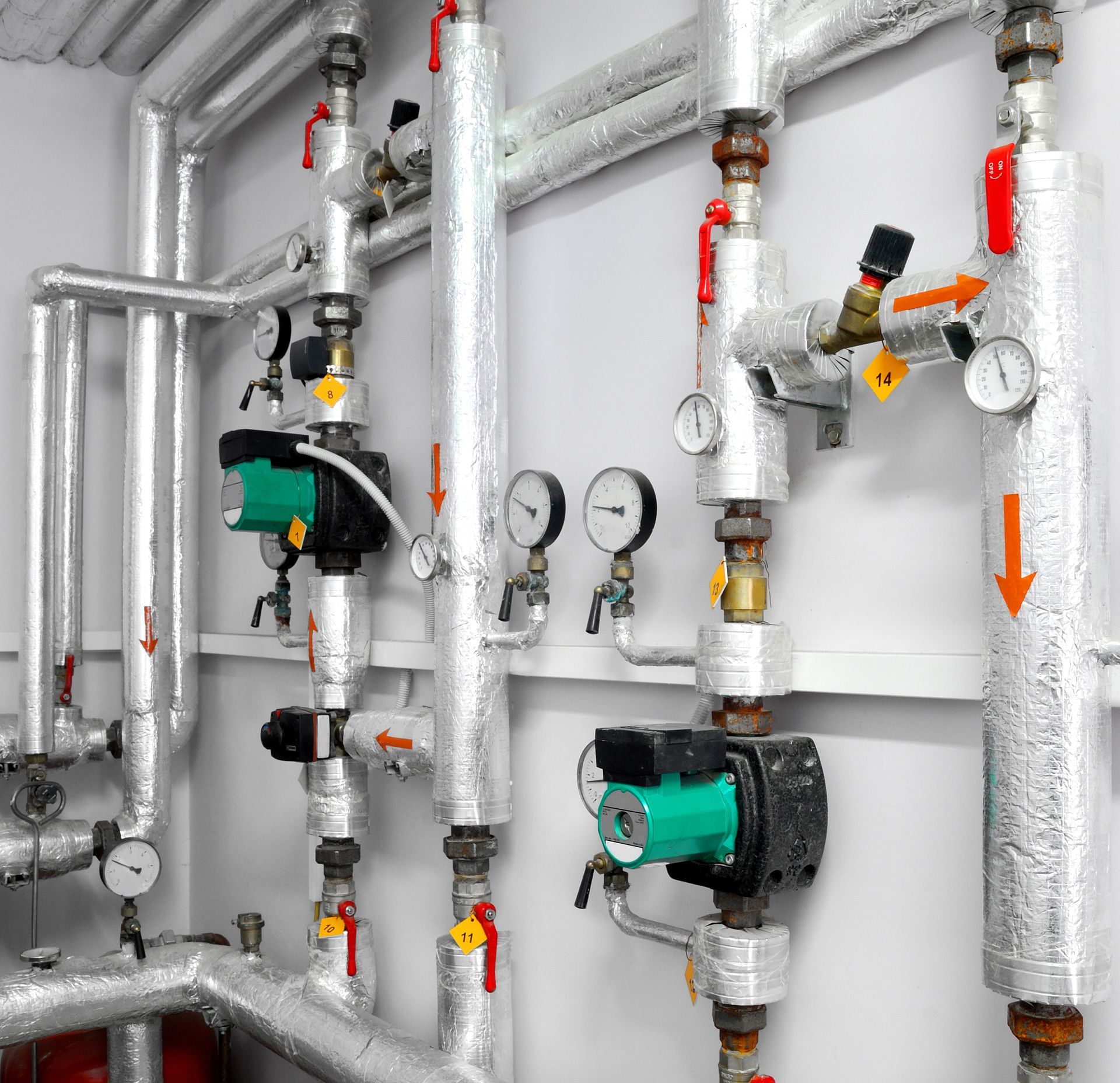
Most people assume that if the building is cold, the boiler must be broken. However, a boiler can be firing perfectly and generating adequate heat while the building remains freezing. The real cause of the problem usually lies in the distribution network. Hydronic systems use water as a vessel to carry thermal energy. If that vessel cannot travel freely, the heat never reaches the radiators or underfloor tubing.
One of the most frequent questions we get on service calls is, why is my commercial hydronic heating system not getting hot? In many cases, the system is air-bound. Air bubbles naturally form in heated water. If the automatic air vents fail or the system was improperly purged during a recent water pipe repair and install, a large pocket of air can get trapped at a high point in the piping. Water cannot push past this air lock, bringing circulation to a complete halt.
Circulation Pumps and Zone Valves
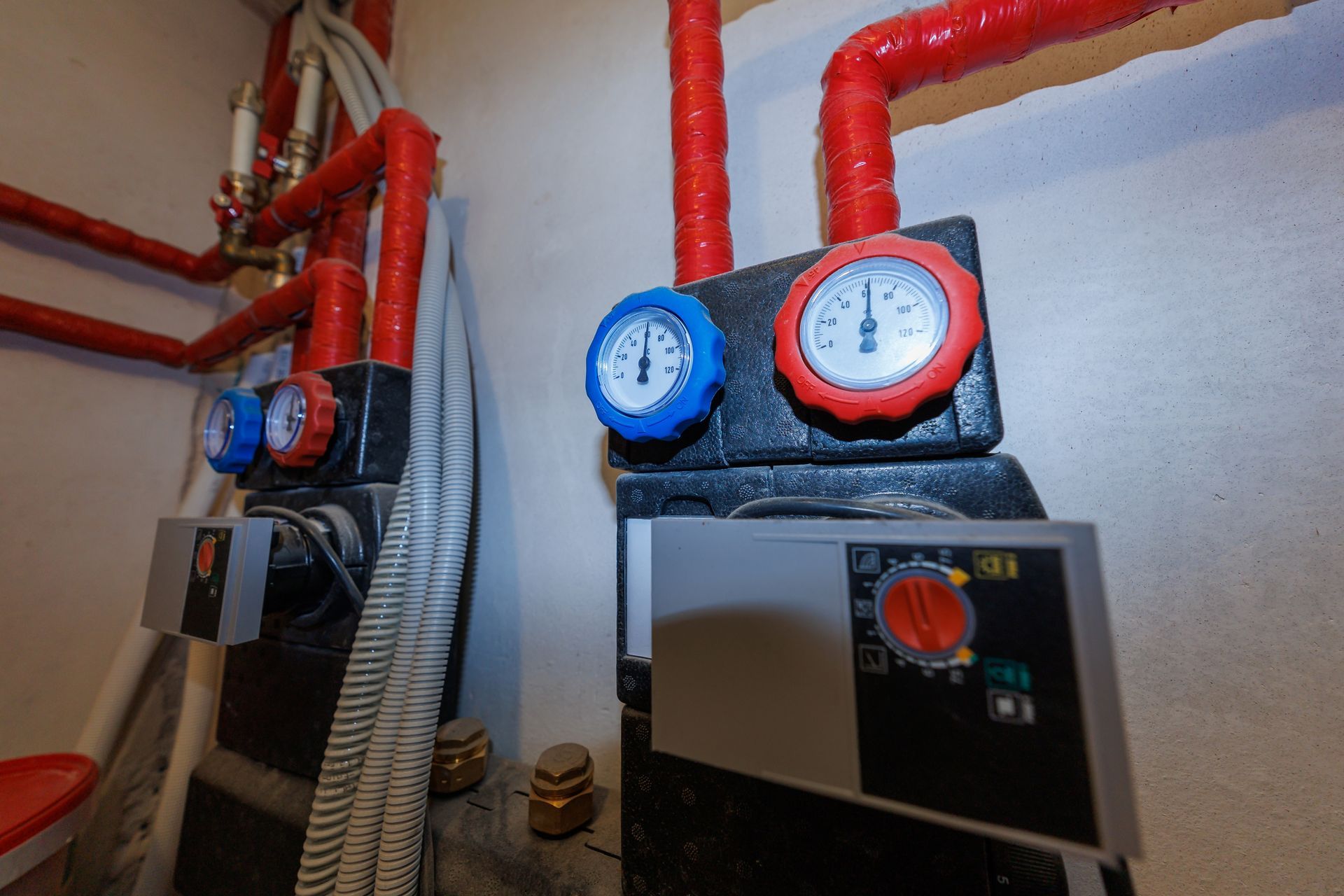
Another hidden cause of heat loss is a failing circulator pump. These pumps work continuously to push heavy water through hundreds of feet of piping. As pump impellers wear down over time, they lose the required head pressure to move the water effectively. The boiler will short-cycle because the water inside it gets hot, but that heat never leaves the mechanical room.
Zone valves are equally responsible for cold spots in large Pasco facilities. These motorized valves open and close to direct hot water to specific areas calling for heat. A burnt-out actuator motor will leave a valve permanently shut. The thermostat sends the signal, the boiler fires, but the physical barrier prevents the hot water from entering that specific wing of the building.
We pride ourselves on diagnosing these exact mechanical failures so you are not left guessing.
► Client Experience: Very knowledgeable in his craft, was able to fit me into his schedule while working around mine. Would highly recommend
Our direct approach to troubleshooting means we find the broken component quickly and get your facility back to a comfortable working temperature.
Restoring Your Building Heat
Finding the exact point of failure takes experience and the right diagnostic tools. Slapping a new boiler into a system with failed zone valves will not solve your heating problems.
Contact us today to have our specialists inspect your hydronic setup and get your heating system back to full capacity.
Share This Blog